

Introduction
As cities expand and the climate crisis intensifies, the idea of the “eco-city” has surged from a niche concept into a global conversation. These are urban areas designed with sustainability at their core—powered by renewable energy, free of pollution, wrapped in green spaces, and operated through intelligent infrastructure. For some, eco-cities represent the pinnacle of human innovation: clean, harmonious, high-tech environments where nature and humanity coexist seamlessly. For others, they seem like luxurious enclaves accessible only to the wealthy, often heavy on promise and light on practical outcomes.
With headlines boasting futuristic cityscapes—like Saudi Arabia’s The Line, a city stretched across a desert in a single mirrored corridor, or Masdar City in the UAE, billed as the first zero-carbon metropolis—it’s easy to feel both awe and skepticism. These projects stir the imagination. But they also raise essential questions: Can eco-cities really deliver on their promises? Or are they modern myths—utopian visions wrapped in a glossy green veneer?
In this post, we’ll explore the origins and future of eco-cities, dissect key examples, examine their principles and pitfalls, and ultimately ask whether the dream of a sustainable urban utopia is within our grasp—or simply science fiction in disguise.

1. The Origin and Evolution of Eco-City Concepts
The idea of building cities that harmonize with nature is far from new. In fact, the roots of the eco-city movement trace back to early urban planners who recognized the downsides of industrialization: congestion, pollution, and unhealthy living conditions.
The Garden City Movement
In the late 19th century, Ebenezer Howard proposed the Garden City model in response to the squalid conditions of industrial London. His idea was to blend the benefits of the countryside with those of the city—green belts, communal gardens, and self-contained communities. Though not strictly eco-cities, these designs were foundational in integrating nature into urban planning.
Modernism and the “Radiant City”
Fast forward to the early 20th century, and we meet Le Corbusier, whose “Radiant City” envisioned clean lines, functional buildings, and lots of open space. While criticized for ignoring human scale and spontaneity, his concepts influenced countless urban developments—especially in postwar reconstruction.
The Birth of Eco-Urbanism
In the 1970s, amidst growing environmental awareness, the term “eco-city” began to emerge. American architect Richard Register popularized it through his 1987 book EcoCities, which laid out a vision of walkable, compact cities powered by renewable energy and designed with ecological systems in mind. His ideas were bold, and while few cities were built to these specifications, they sparked a global conversation about what sustainable urbanism could look like.

2. Current Eco-City Projects Around the World
Let’s look at several real-world examples—some of them still in progress, others already operational—to understand the scale, ambition, and realities of eco-city development.
Masdar City (UAE)
Launched in 2006 near Abu Dhabi, Masdar was hailed as the first fully zero-carbon city. Designed by Foster + Partners, it promised solar-powered everything, car-free zones, and cutting-edge architecture. But by 2020, only a fraction of the project was complete. Budget constraints, lack of tenants, and logistical challenges have delayed its progress. Critics argue it became more of a green tech showroom than a true city.
Key Lesson: Vision alone isn’t enough—eco-cities need sustainable economic and social ecosystems too.
Songdo International Business District (South Korea)
Built on reclaimed land near Incheon, Songdo is one of the most high-tech cities in the world. It features integrated waste disposal systems, telepresence classrooms, and abundant green spaces. However, it has also been called a “ghost city,” with lower-than-expected population levels and questions about its social vibrancy.
Key Lesson: Tech-savvy doesn’t always mean livable. People need more than clean air and fast Wi-Fi to feel at home.
Tianjin Eco-City (China)
A joint venture between China and Singapore, Tianjin was built on polluted industrial land and now hosts schools, offices, and homes for 100,000+ residents. It integrates water conservation, renewable energy, and public transit, making it one of the more successful eco-city models.
Key Lesson: Repurposing brownfield land is not just sustainable—it’s scalable.
The Line – NEOM (Saudi Arabia)
Possibly the most audacious of them all, NEOM’s “The Line” envisions a 170-km linear city enclosed in a mirrored wall, powered by 100% renewable energy and free of cars. Critics have pointed out enormous ecological costs, potential human rights issues (especially regarding displacement), and construction feasibility.
Key Lesson: Innovation should not ignore ethical and ecological costs.
Smaller Success Stories
Cities like Freiburg (Germany), Malmö (Sweden), and Portland (USA) demonstrate that eco-principles can be successfully integrated into existing cities. These places emphasize cycling, green energy, and community-driven planning—proving that you don’t have to build from scratch to go green.
3. Core Principles of an Eco-City
While eco-cities vary in form and scale, they share several defining characteristics that serve as their ethical and architectural backbone.
Renewable Energy Infrastructure
Solar panels, wind turbines, geothermal plants, and battery storage systems form the beating heart of an eco-city. Smart grids help distribute energy efficiently, reducing waste and reliance on fossil fuels.
Smart Mobility
Walkability is a must. Eco-cities prioritize bicycles, pedestrian routes, and electric public transport. Personal vehicles—if allowed—are typically electric and managed through shared services.
Green Architecture
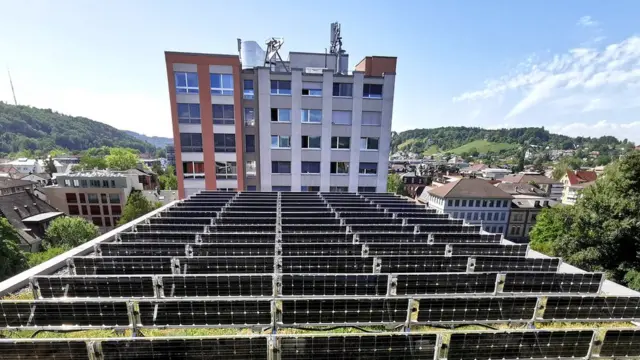
Buildings are designed to minimize energy use and blend with nature. Features include green roofs, passive cooling systems, and “living walls” filled with plants that clean the air and reduce urban heat.
Water and Waste Systems
Greywater recycling, rainwater harvesting, and composting systems are common. Advanced waste sorting and incineration technologies help achieve “zero waste” targets.
Food Security and Urban Farming
Eco-cities promote local food production through rooftop farms, hydroponics, and vertical agriculture. This reduces the carbon footprint of food supply chains and enhances resilience.
Biophilic Design and Natural Integration
Eco-cities go beyond utility. They aim to enhance mental health and well-being through access to nature—parks, canals, green corridors, and open-air community spaces.

4. The Challenges and Criticisms
Despite their promise, eco-cities face serious critiques—and in some cases, contradictions.
Cost and Exclusivity
Many eco-cities have turned into expensive enclaves, accessible only to high-income individuals. The technology and design choices often come with premium price tags, leaving lower-income groups out of the picture.
Tech Dependence and Surveillance
Smart cities can feel like digital cages. While efficiency is improved, privacy may be compromised. Songdo and NEOM, for instance, have faced questions about surveillance infrastructure embedded in their systems.
Environmental Impact of Construction
Ironically, building a “green” city from scratch can have a huge carbon footprint. Land clearing, resource use, and emissions from construction machinery can undermine long-term benefits if not carefully managed.
Cultural Homogeneity
Planned cities often lack the organic, diverse, chaotic character of traditional ones. Without time to grow naturally, they risk becoming sterile environments, unfit for the complex social needs of real communities.
Lack of Scalability
What works for 50,000 people might not work for 5 million. Eco-city models are often not easily replicable in dense megacities or developing nations facing resource constraints.

5. The Science Behind the Hype
While eco-cities carry utopian appeal, many of their features are rooted in solid science.
Carbon Reduction
Studies show that compact, walkable urban designs can reduce per capita carbon emissions by up to 50%. Buildings with smart insulation and passive solar design can cut heating/cooling energy by 30–70%.
Urban Heat Island Mitigation
Green roofs and reflective materials reduce surface temperatures by several degrees—vital in combating the urban heat island effect, which is worsening with global warming.
Mental Health and Nature Access
Multiple studies confirm that access to nature in cities boosts mental health, reduces stress hormones, and improves cognitive function. Biophilic design isn’t just pretty—it’s powerful.
Waste Reduction
Circular economies embedded in eco-cities have demonstrated success in lowering landfill use, increasing recycling rates, and conserving water resources.
6. Future Visions: Sci-Fi vs. Realism
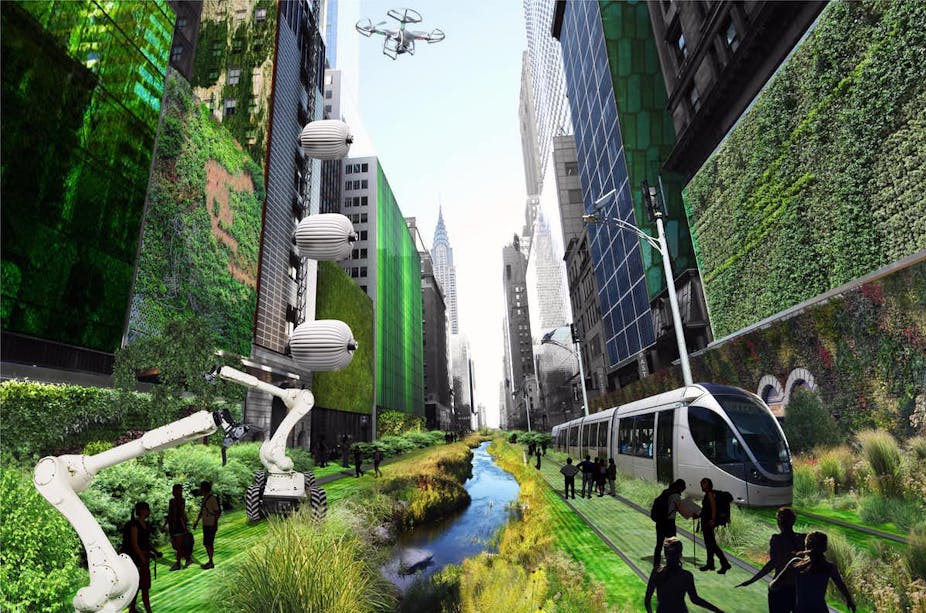
Science fiction has long imagined utopian cities—gleaming spires, flying cars, and sustainable abundance. But how close are we to those visions?
Modular Cities
Inspired by designs from the Mars colonization playbook, modular urban units can be rapidly assembled and reconfigured. This concept could be key in responding to climate refugees and rising sea levels.
Floating Cities
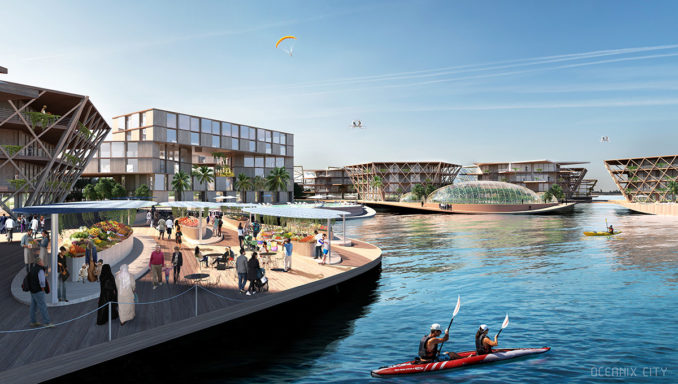
Rising oceans have spurred interest in floating architecture. Projects like Oceanix (backed by the UN) propose self-sufficient marine cities with integrated farming and waste systems.
Underground and Vertical Cities
To conserve land and reduce energy usage, designers are considering vertical city towers or subterranean neighborhoods insulated from harsh climates.
While these ideas remain largely conceptual, advances in materials science, AI, and climate modeling are bringing them closer to reality. Still, the key to success is grounding these dreams in social, environmental, and ethical frameworks.
Conclusion: The Road Ahead
So, are eco-cities realistic utopias—or just high-tech fantasies? The truth lies somewhere in between.
The dream of building entire cities from scratch to fix ecological and social problems is enticing. And in some ways, necessary. With global urban populations expected to rise to 6.6 billion by 2050, sustainable development isn’t optional—it’s urgent. But we must be wary of placing too much faith in mega-projects that prioritize aesthetics and PR over long-term livability and equity.
Eco-cities can work—but only if they’re:
- Inclusive: Designed for everyone, not just the elite.
- Adaptable: Built with the flexibility to evolve.
- Retrofittable: Focused not just on new cities, but also on greening existing ones.
- Rooted in Community: Developed with participation, not imposed from above.
Ultimately, the future of eco-cities isn’t in the hands of architects alone—it lies with governments, citizens, and communities willing to reimagine how we live together on this planet.
We don’t need to choose between utopia and dystopia. With creativity, humility, and commitment, we can build something real—and remarkable.
Posted by True Report. Dedicated to exploring the future of our world—one report at a time.